
On this page8 parts
A week of mobile data in Japan costs ¥3,850 (about US$24) on a Japanese eSIM, ¥5,390 (about US$34) on a pocket Wi-Fi capped at 3GB a day, and $84 on a US carrier’s day pass. The gap comes from two things: how many phones you are paying for, and what happens when a rented box goes back late or not at all.
Every price below is from the provider’s or carrier’s own page, checked in November 2026. I convert at ¥159 to the US dollar, the European Central Bank rate for November 23, 2026.
If you have not rented in Japan before, the mechanics (book online, collect at the airport or your hotel, post it back) are in how pocket Wi-Fi rental works. Setting up a digital SIM is in the Japan eSIM guide. Here it is only the money.



How the prices are built
Pocket Wi-Fi is priced by the day. A SIM card or eSIM is priced by the pack: a fixed number of days, a fixed amount of data, or both. Home-carrier roaming is priced per day or per pass and lands on the bill you already pay.
Data caps come in two kinds. A daily cap, such as 3GB a day, resets at midnight Japan time, and after you pass it the line is slowed (to 128 kbps on some plans, 1 Mbps on others) rather than cut. A trip cap, such as 10GB for 15 days, runs down until it is gone, and then the line either slows or stops, depending on the plan.
The word “unlimited” covers both kinds and a third: no cap at all, with the provider still free to slow heavy users at busy times. I give each plan’s real limit next to its price.
Then come the extras. Pocket Wi-Fi adds shipping, damage cover and late-return charges; SIM and eSIM packs mostly do not, which is why they stay cheaper in practice.
Pocket Wi-Fi prices from the main providers
For a pair or a family, these four are the shortlist. They differ less on the daily rate than on what it buys: the daily cap, where you collect, and what a lost router costs. Prices are as of November 2026, tax included.
| Provider | Network | Plan and data limit | Price | Delivery | Damage cover |
|---|---|---|---|---|---|
| NINJA WiFi | SoftBank 4G | 1GB, 3GB, 5GB or 10GB a day, then 128 kbps | ¥440, ¥770, ¥1,100 or ¥1,320 a day | Airport counters, lockers, hotel delivery | Optional, priced at booking |
| NINJA WiFi | SoftBank 4G | “Infinite Unlimited”: no daily cap, may slow at peak times after heavy use | ¥1,980 a day | As above | As above |
| NINJA WiFi | docomo 5G | 5G plan: may slow above 10GB a day or 300GB a month | ¥2,200 a day | As above | As above |
| WiFiBOX | Not stated on the price page | 3GB a day, then 1 Mbps | ¥840 a day; ¥5,883 for a week; ¥10,010 for 14 days | Free, from 700+ lockers | ¥198 or ¥330 a day |
| WiFiBOX | Not stated on the price page | “Truly Unlimited”: no daily cap, under a general fair-use clause | ¥1,390 a day; ¥9,733 for a week; ¥16,555 for 14 days | Free | ¥198 or ¥330 a day |
| Japan Wireless | SoftBank 4G | One plan, sold with no daily cap and no fair-use policy | ¥10,410 for 7 days; ¥12,140 for 10; ¥14,440 for 14 | ¥500 shipping | ¥120 or ¥300 a day |
| Sakura Mobile | Not stated on the price page | Sold as unlimited, with no daily cap or speed limit given on the page | From ¥7,780 for 7 days; ¥8,980 for 10; ¥10,560 for 14 | Ships to hotels, homes, airports, post offices | Set in its rental terms |
NINJA WiFi
NINJA WiFi’s price list, run by Vision Inc., has the widest spread of daily caps. Its SoftBank router costs ¥440 (about US$3) a day for 1GB and ¥770 (about US$5) for 3GB, both slowing to 128 kbps once the day’s allowance is gone. The no-cap “Infinite Unlimited” plan is ¥1,980 (about US$12) a day, and the two-router versions of each plan cost 60 to 80 percent more.
Its strength is the network of desks and lockers at Haneda, Narita, Kansai and more than a dozen regional airports, mapped in the airport pick-up and return guide. Cancellation is free up to four days before departure; inside three days you lose the lot unless you bought its Cancellation Protection add-on.

WiFiBOX
WiFiBOX’s rates come from Telecom Square, and the router comes out of a locker you open with a QR code rather than from a person at a desk. Delivery, pick-up, return and same-day booking are all listed at ¥0. The 3GB-a-day plan is ¥840 (about US$5) a day; the plan with no daily cap is ¥1,390 (about US$9).
Fourteen days get 15% off, and a 30-day pack brings the no-cap router to ¥14,619 (about US$92) for the month. The router takes five devices.
Japan Wireless
Japan Wireless, run by Inbound Platform Corp., sells one SoftBank 4G router with a free power bank and room for eight devices. It says it applies no fair-use cap, though its terms let the carrier restrict a line that puts “excessive load” on the network. Its online calculator quoted ¥10,410 (about US$65) for seven days in January 2027, ¥12,140 (about US$76) for ten and ¥14,440 (about US$91) for fourteen, and the ¥500 (about US$3) shipping fee comes on top, so a week is ¥10,910 (about US$69).
That is the dearest of the four. The missing daily ceiling matters to a family streaming at night and very little to two people checking maps.
Sakura Mobile
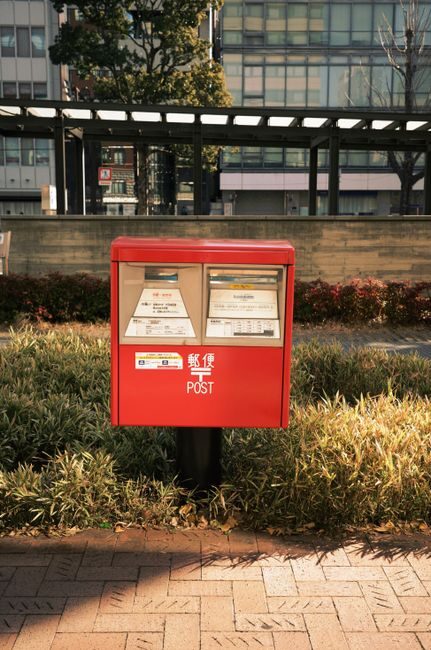
Sakura Mobile’s travel price page starts its router at ¥7,780 (about US$49) for seven days and ¥10,560 (about US$66) for fourteen, with a four-day minimum. It ships to hotels, homes and post offices or to airport counters, and the return envelope goes in any Japan Post box by midnight on your return date.

SIM card and eSIM prices by data size
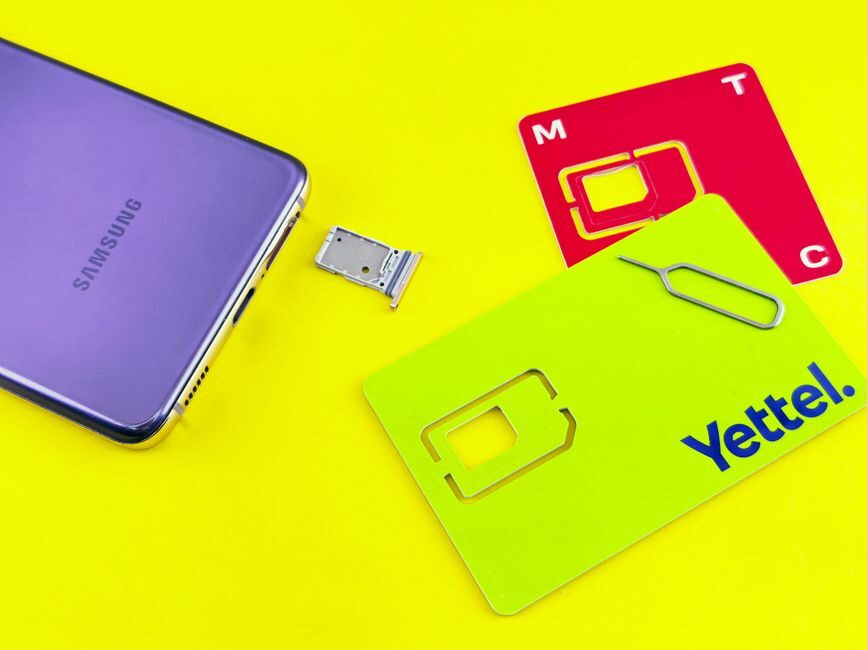
If every phone in your group is free of carrier locks, a prepaid eSIM is the cheapest per person, with nothing to post back, though each person needs one. Phones without eSIM take a physical card; the Japan SIM card guide covers where to buy one and how to fit it.
| Provider | Type | Data and limit | Days | Price |
|---|---|---|---|---|
| Mobal | eSIM, data only, docomo | 3GB, then 200 kbps | 8 | ¥2,340 |
| Mobal | eSIM, data only | 10GB / 50GB | 16 | ¥4,620 / ¥5,170 |
| Mobal | eSIM, data only, 5G on KDDI | No cap on the phone; hotspot sharing capped (15GB on the 16-day plan) | 7 / 10 / 14 / 16 | ¥3,850 / ¥5,400 / ¥6,600 / ¥7,400 |
| Mobal | SIM card, data only | 25GB / 50GB / 50GB | 8 / 16 / 31 | ¥5,800 / ¥6,490 / ¥7,920 |
| Sakura Mobile | eSIM, data only | 3GB a day, then 200 kbps | 7 / 10 / 14 | From ¥4,620 / ¥5,610 / ¥6,930 |
| Sakura Mobile | SIM card, data only | 3GB a day, then 1 Mbps | 7 / 10 / 15 | From ¥4,950 / ¥5,720 / ¥7,150 |
| NINJA WiFi | eSIM | No set cap, but may be suspended above 15GB in a day | 7 / 14 | ¥4,807 / ¥8,305 |
| NINJA WiFi | SIM card, SoftBank 5G | 10GB, then 200 kbps | 15 | ¥4,587 |
| NINJA WiFi | SIM card | 15GB / 30GB, line stops when used up | 60 | ¥3,740 / ¥5,082 |
| Holafly | eSIM, data only | No cap on the phone; hotspot sharing about 1GB per plan day | 7 / 10 / 15 | US$27.50 / $36.50 / $50.50 |
At seven days, Mobal’s eSIM range is ¥3,850 (about US$24) with no cap on the phone itself, Sakura is ¥4,620 (about US$29) with a 3GB daily cap, NINJA WiFi is ¥4,807 (about US$30), and Holafly’s Japan eSIM, priced in dollars, comes to about ¥4,370. For a light user, Mobal’s 3GB pack at ¥2,340 (about US$15) for eight days is the floor.
The cheapest per gigabyte is a long trip cap: NINJA’s 60-day SIM gives 30GB for ¥5,082 (about US$32), and Mobal’s data SIM cards give 50GB over 16 days for ¥6,490 (about US$41). If you want a Japanese phone number for calls, Mobal’s voice SIM or eSIM costs ¥4,950 (about US$31) up front plus a monthly plan from ¥1,430 (about US$9); calling in Japan explains when that is worth it.
Identity checks are tightening
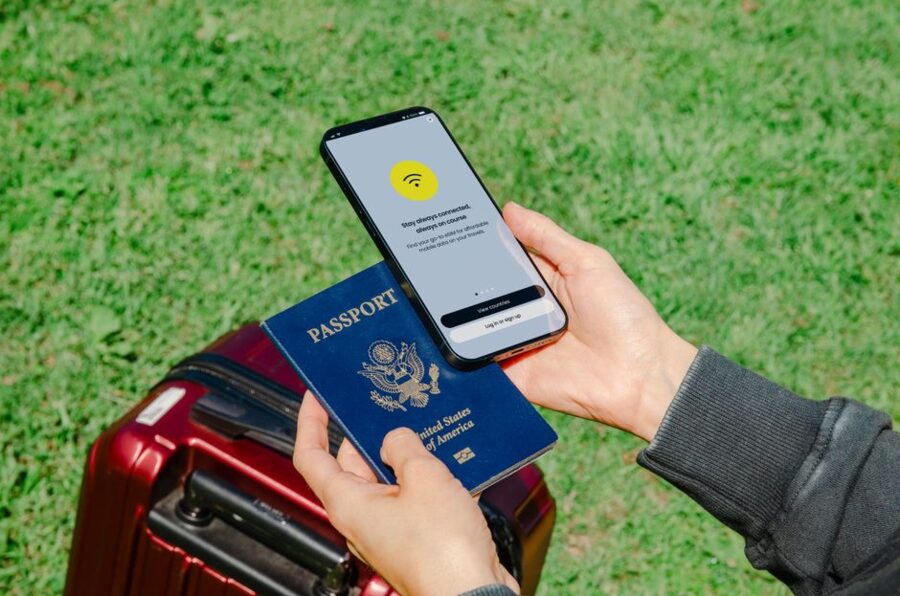
A voice SIM already needs an identity check, which is why Mobal asks for your passport. The Ministry of Internal Affairs and Communications has published new identity rules for SIM contracts: online contracts have required reading the IC chip in an ID document, in principle, since April 1, 2026, and from April 2027 data-only SIM contracts will need an identity check too. The ministry’s page does not say how this applies to tourist eSIMs sold from abroad, so check again in spring 2027.

What your home carrier charges
Roaming is the least work and, past a few days, the most money. You keep your number and nothing ships. Prices are as of November 2026.
| Carrier | Option | Price | Data |
|---|---|---|---|
| Verizon (US) | TravelPass | $12 per 24-hour session | 5GB high-speed, then 3G speeds |
| Verizon (US) | International Monthly Plan | $100 a month | 20GB high-speed, then 3G speeds |
| AT&T (US) | International Day Pass | $12 a day | Your domestic plan’s allowance |
| T-Mobile (US) | International Pass | $10 for 1 day; $50 for 10 days; $75 for 30 days | 2GB; 15GB; 30GB high-speed |
| T-Mobile (US) | Included with Experience More 2.0 / Beyond 2.0 | $0 | 5GB / 15GB high-speed, then 256 kbps |
| Telstra (Australia) | Day Pass, Zone 2 | A$10 a day | 2GB a day |
| Rogers (Canada) | International Travel Pass | C$45 for 3 days; C$75 for 7; C$100 for 14; C$120 for 30 | Your plan’s data |
Verizon’s TravelPass at $12 (about ¥1,910) is charged only on days you use the phone abroad, and it is already on Unlimited Plus and Unlimited Welcome lines. AT&T’s International Day Pass is the same $12. Over a week that is $84, about ¥13,360, for one phone.
T-Mobile’s passes are the cheapest US roaming: $50 buys 15GB for ten days, and a new pass ends what is left on the old one. Most T-Mobile plans also include data at up to 256 kbps, enough for messages.
Outside the US, Telstra’s Day Pass puts Japan in its Zone 2 at A$10 (about US$7) a day with 2GB, and it can take up to two hours to switch on, so do it before you board. Rogers’ Travel Passes cover Japan at C$75 (about US$52) for seven days and C$100 (about US$70) for fourteen, using your plan’s own data.
Three trips, costed side by side
Three trips: one person for seven days, a couple for ten, a family of four for fourteen. Router totals include shipping but not damage cover.
| Option | Solo, 7 days | Couple, 10 days | Family of four, 14 days |
|---|---|---|---|
| Mobal eSIM, no cap on the phone, one per person | ¥3,850 | ¥10,800 | ¥26,400 |
| Sakura eSIM, 3GB a day, one per person | ¥4,620 | ¥11,220 | ¥27,720 |
| Holafly eSIM, one per person | about ¥4,370 | about ¥11,610 | about ¥32,130 (15-day plans) |
| NINJA WiFi, 3GB a day, one router | ¥5,390 | ¥7,700 | ¥10,780 |
| NINJA WiFi, 10GB a day, one router | ¥9,240 | ¥13,200 | ¥18,480 |
| WiFiBOX, no daily cap, one router | ¥9,733 | Not quoted | ¥16,555 |
| Sakura Mobile router | ¥7,780 | ¥8,980 | ¥10,560 |
| Japan Wireless router, with shipping | ¥10,910 | ¥12,640 | ¥14,940 |
| T-Mobile passes, one per person | $50 (about ¥7,950) | $100 (about ¥15,910) | $300 (about ¥47,720) |
| Verizon TravelPass or AT&T Day Pass, every phone, every day | $84 (about ¥13,360) | $240 (about ¥38,180) | $672 (about ¥106,900) |
Solo, seven days
One person with an eSIM-capable phone pays ¥3,850 to ¥4,807 for a week and carries nothing extra. A router alone only makes sense for a locked phone or a laptop that needs to stay online. If your plan is T-Mobile Experience Beyond 2.0, the 15GB included costs nothing extra and is probably enough for a week.
Couple, ten days
Here the router catches up: two eSIMs cost ¥10,800 to ¥11,220 (about US$68 to US$71), one Sakura router ¥8,980 (about US$56). But 3GB a day is thin for two, and when one of you goes off alone, one phone is offline. I would still take two eSIMs unless a phone is carrier-locked.
Family of four, fourteen days
Four eSIMs run ¥26,400 to ¥27,720 (about US$166 to US$174), and the cheapest router is ¥10,560, less than half as much. It also gets SIM-less tablets online. The best arrangement is a mix: one router plus one eSIM for the parent most likely to split off, about ¥17,160 (US$108) with Sakura’s router and Mobal’s 14-day eSIM.
Roaming is the outlier here. Four phones on Verizon TravelPass for fourteen days come to $672, roughly ten times the cheapest router.

Where money leaks: fees, cover and late returns
The rental fee is fixed when you book. What changes the total happens at the end, so read the return rules before you choose, not on the morning of your flight.
Late returns
WiFiBOX charges one day’s rent for each day a router is late, and its rental guide adds a ¥15,000 (about US$94) charge if it has not come back within seven days with no word from you. You can extend through My Page before the return date; if you do not, the line shuts off the day after your return date.
Japan Wireless’s terms want the router in a post box by the day after the rental ends. One clause sets the late fee at ¥700 (about US$4) per router per day from the third day; another says ¥550 a day, so expect one of the two. If it has not reached the company within ten days of the end date, it is treated as lost: ¥40,000 (about US$251), rising to ¥100,000 (about US$629) in total if you also ignore their messages.
Sakura Mobile’s rental agreement bills a late router at the plan’s minimum extension price until it arrives. Fly home with one by mistake and NINJA WiFi’s FAQ walks you through the customs form; you pay the courier.

Loss and damage cover
Cover is priced per day. WiFiBOX’s Standard cover at ¥330 (about US$2) a day waives the whole ¥15,000 charge; its Lite cover at ¥198 (about US$1) a day leaves you paying up to ¥3,000 (about US$19). Over fourteen days Standard costs ¥4,620 to protect against a ¥15,000 bill.
Japan Wireless is the sharper case. Without cover, its FAQ quotes ¥44,000 (about US$277) for a lost router, while its terms list ¥40,000 before tax. Its Regular cover at ¥120 (about US$1) a day cuts that to ¥8,000 (about US$50) and the Premium cover at ¥300 (about US$2) a day to nothing, so I would take Regular at the very least: ¥1,680 (about US$11) for fourteen days against a five-figure risk.
Small fees that add up
- Lost return envelope. Japan Wireless sends a new one for ¥1,000 (about US$6), and device cover does not pay for it.
- Cancelling after shipping. Japan Wireless keeps ¥1,100 (about US$7) per router once it has been sent.
- Roaming by accident. Verizon starts a $12 session the first time your phone uses data in Japan, including background app updates, so turn data roaming off if you are relying on an eSIM.
- Wi-Fi calls home. Verizon’s TravelPass does not include Wi-Fi calling to numbers outside the US, and T-Mobile plans without a pass charge $0.50 a minute for calls abroad, except Wi-Fi calls to the US, Mexico or Canada.
Can free Wi-Fi replace all of this?
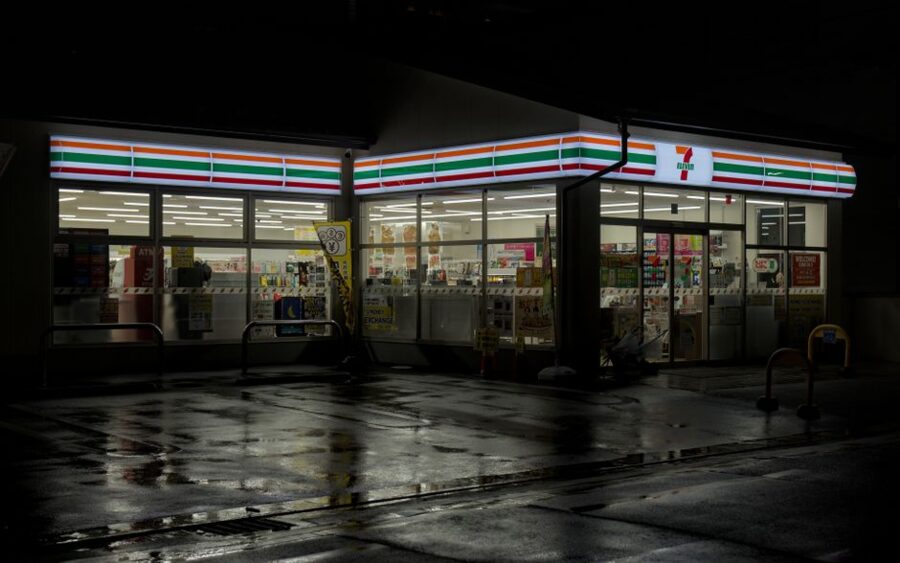
Not on its own. JNTO’s Wi-Fi and connectivity page notes that Japan’s major international airports offer free Wi-Fi in their terminals and that most city hotels do too, but traditional ryokan and small minshuku in the countryside often do not. On a street corner with a map to find, it does nothing for you.
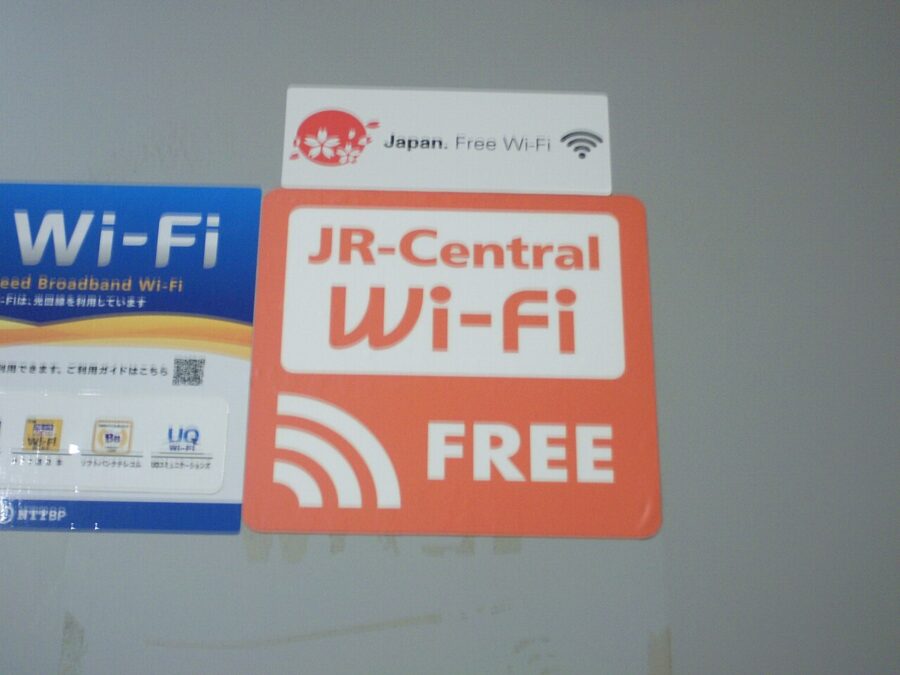

Free Wi-Fi is a fine backup for a light user with offline maps downloaded and the right Japan travel apps installed. For anyone else, the cheapest eSIM in the table costs about ¥290 (US$2) a day.
Long stays and work laptops get their own answers in the phones and internet FAQ, and buying one of the mobile routers instead of renting pays off only over several trips.
The one thing to check before you fly
Open your carrier’s app and find out whether your phone is locked to the network. If it is not, every number in the eSIM rows is open to you, and data costs about ¥550 a day. If it is, the cheapest workable option for one person is a pocket Wi-Fi with a daily cap, and the most important figure on the booking page is no longer the daily rate but the date the envelope has to be in the post box.